
Hi [Manager name], my name is Grace.
I’m a UX Designer specializing in research and am excited to apply to frog’s Service Design opening.
Over the past few years, I have been prototyping my career in aspiration of joining the “pond”. At Dartmouth, I immersed myself in psychology, engineering, design thinking, and product management to gain a holistic sense of collaborative, empathy-driven innovation.
To force the habit of always starting with user needs, I chose to pursue a career in UX Research with the intent of ultimately pulling those habits into a service design role. Last year, I began this transition by taking on freelance design work and completing a UI/UX Bootcamp.
Altogether, these experiences have helped me gain confidence in navigating all stages of the design process. As a Service Designer at Frog, I would contribute my interdisciplinary background to help clients reach informed decisions and make their mark on the world.
Highlighted works
-
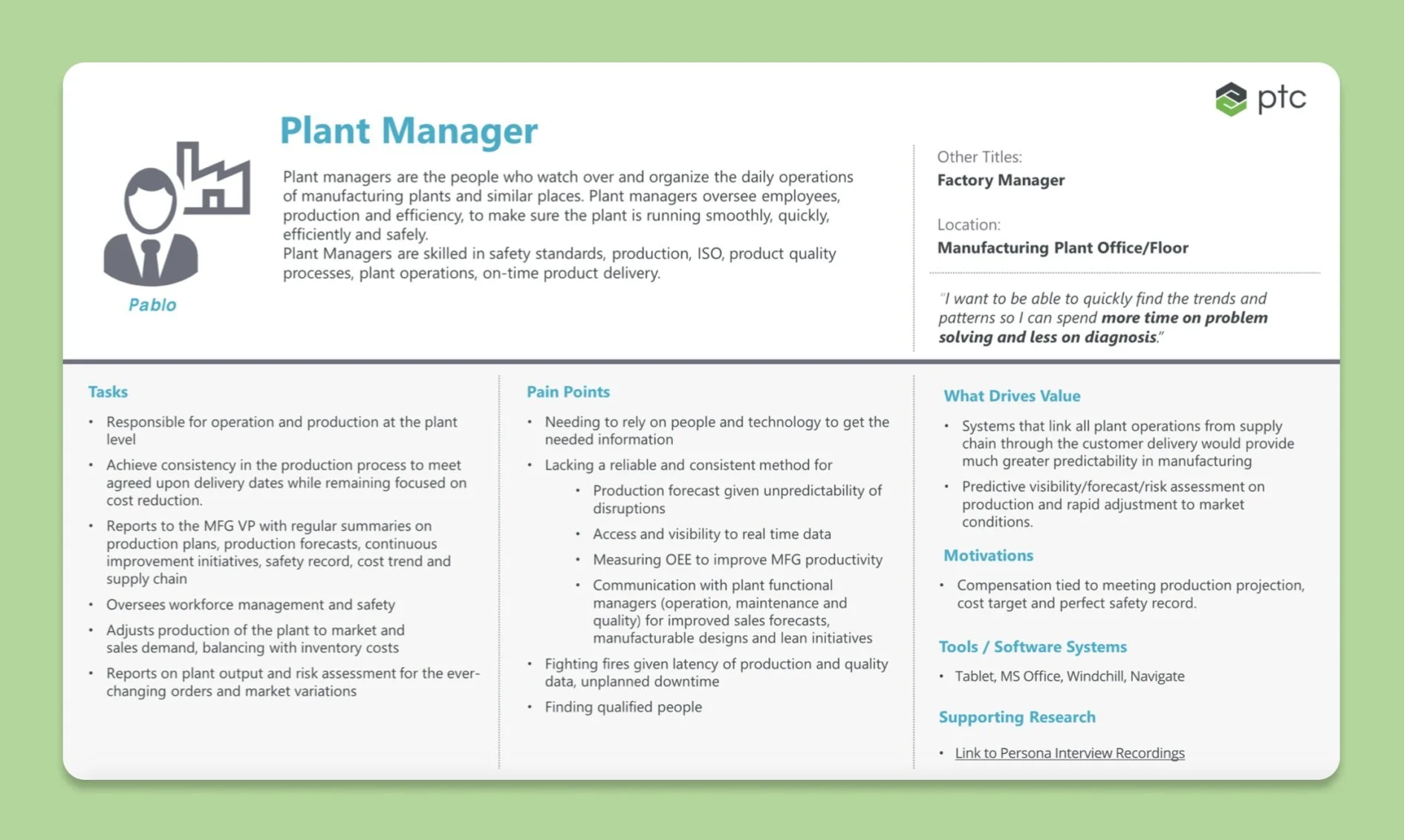
Personas for PTC
Type: UX Research for current employer
I researched internal perspectives and industry best practices to re-design PTC’s personas to promote diversity and inclusion in our design process.
Inclusive design is integral to frog’s philosophy. This project exemplifies my ability to identify an organizational design problem and work towards increasing inclusivity through product and system implementation.
-
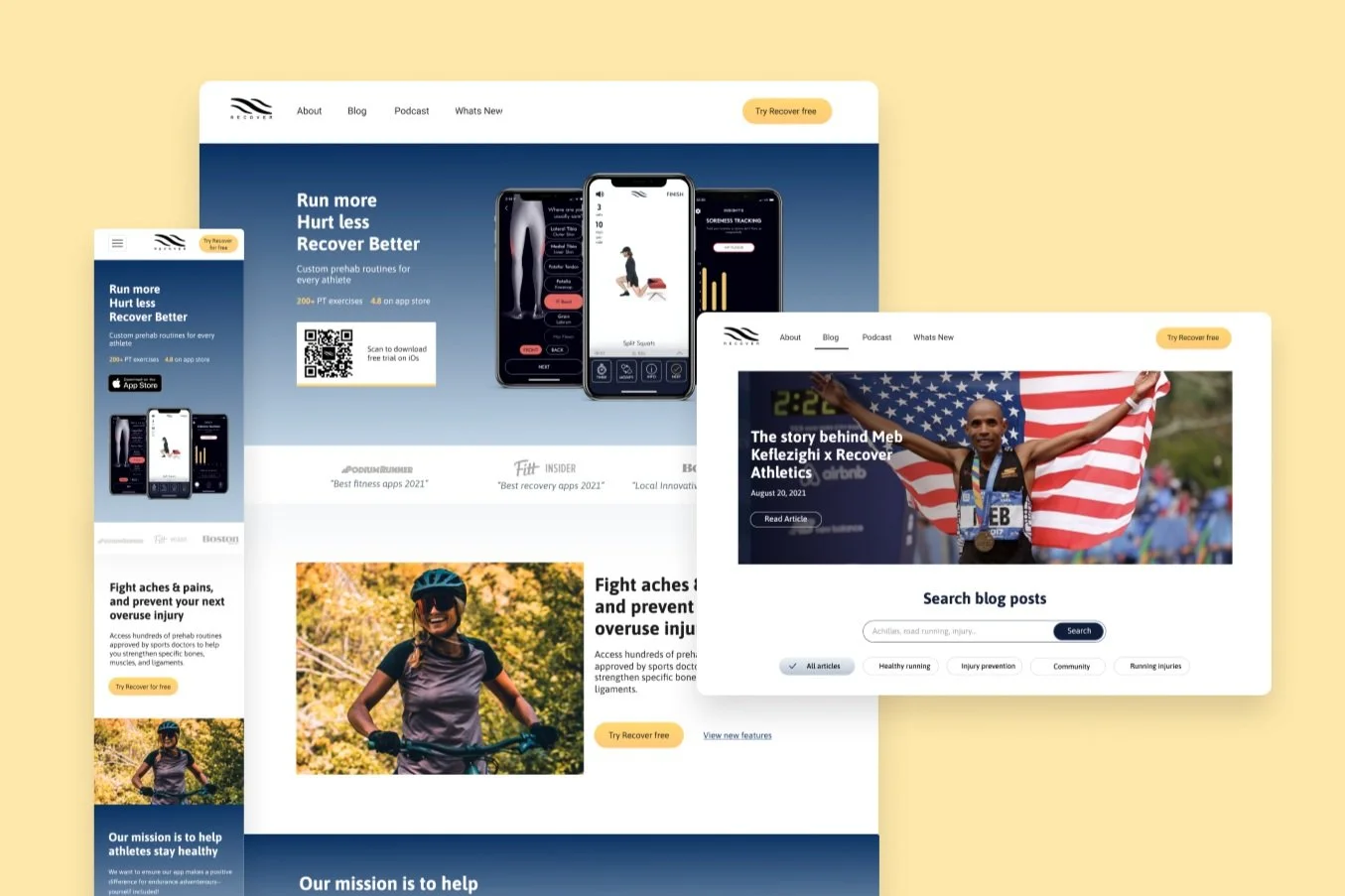
Recover Athletics website
Type: Freelance UI/UX website redesign
I re-designed Recover Athletics’ website to represent their expanded target audience, and attract investors to support rapid growth.
This project showcases my research-first approach to design, and experience collaborating with clients from non-UX backgrounds.
-
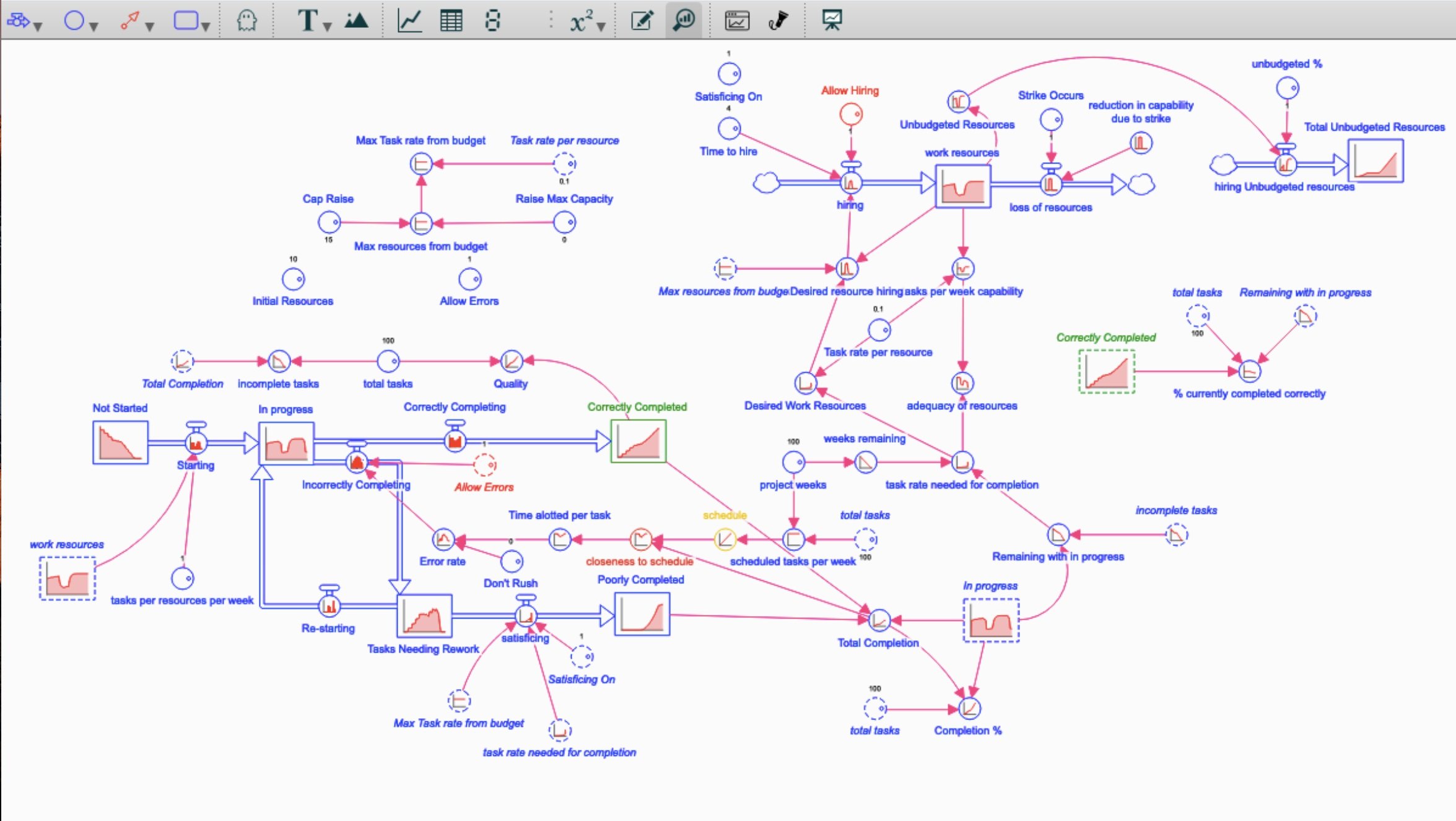
Hosting the Olympics: Opportunity or Catastrophe?
Type: a model for a course at Dartmouth
A systems dynamics model that demonstrates why cities are reluctant to host the Olympics. The project was accepted into the 2018 International System Dynamics Conference.
As a service designer, I would leverage my systems modeling experience to expand the lens through which we define problems and opportunities for design interventions.